
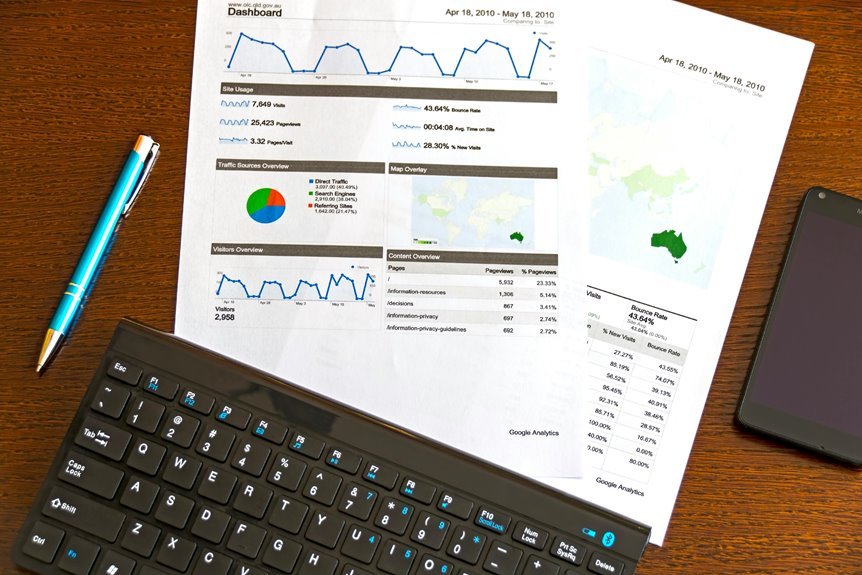
Analytical Trends Dashboard for 2106292438, 211453046, 9105938622, 1099971, 913435870, 647459279

The Analytical Trends Dashboard for identifiers 2106292438, 211453046, 9105938622, 1099971, 913435870, and 647459279 offers an intricate framework for data analysis. It presents essential metrics and insights that can significantly impact decision-making processes. By examining user engagement and resource allocation, organizations can leverage this tool to enhance operational efficiency. However, the implications of these insights extend beyond mere analysis, prompting further exploration into their practical applications.
Overview of the Analytical Trends Dashboard
The Analytical Trends Dashboard serves as a comprehensive tool for organizations aiming to visualize and interpret data patterns effectively.
Through advanced data visualization techniques, it facilitates trend analysis, enabling users to identify significant shifts and correlations within datasets.
This structured approach empowers decision-makers, providing them with the insights necessary to navigate complex information landscapes and foster a culture of informed autonomy.
Key Metrics and Insights
While analyzing data trends, key metrics and insights emerge as critical components that drive strategic decision-making.
Effective data visualization facilitates trend analysis, enabling organizations to derive actionable insights.
Key performance indicators, alongside robust metric tracking, enhance understanding of user engagement patterns.
Benefits of Utilizing the Dashboard
Utilizing the analytical trends dashboard offers organizations a streamlined approach to data interpretation, enhancing decision-making processes.
This platform fosters user engagement through intuitive data visualization, allowing users to interact with data dynamically.
Case Studies and Success Stories
Organizations that have successfully implemented the analytical trends dashboard demonstrate its significant impact through various case studies.
Case study analysis reveals that these organizations effectively tracked success metrics, leading to improved decision-making and operational efficiency.
Notable examples illustrate how data-driven insights facilitated strategic transformations, enhanced customer engagement, and optimized resource allocation, ultimately fostering a culture of continuous improvement and innovation.
Conclusion
In conclusion, the Analytical Trends Dashboard serves as an invaluable resource for organizations seeking to harness the power of data visualization. By coincidentally aligning key metrics with strategic objectives, users can uncover hidden trends and correlations that drive informed decision-making. As demonstrated through various case studies, the dashboard not only enhances user engagement but also optimizes resource allocation, ultimately fostering a culture of autonomy and continuous improvement within the organization.


