
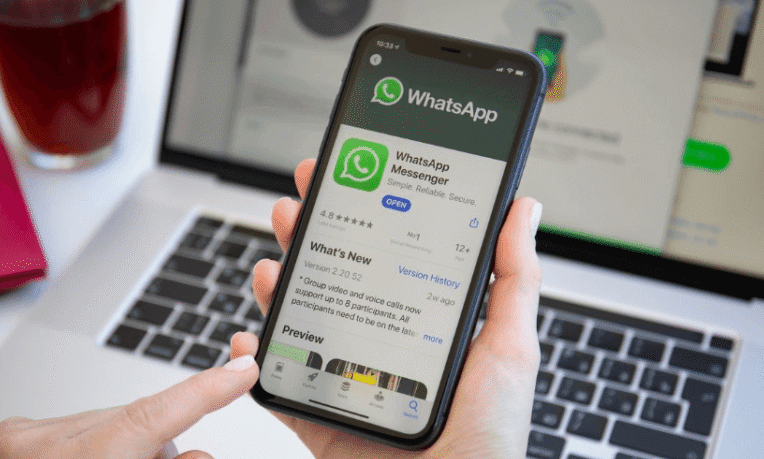
WhatsApp Web and Telegram Chinese Login Verification and Device Management Tips

Introduction
Modern messaging platforms have transformed communication for personal, business, and educational use. Among the most widely used tools, WhatsApp Web and Telegram Chinese versions have become essential for users who need fast, secure, and multi-device access. However, as online security risks increase, login verification and device management have become critical features. Users often overlook these settings, leaving their accounts vulnerable to unauthorized access. Learning the right tips not only protects conversations but also ensures smooth usage across various browsers, desktops, and mobile devices.
Understanding Why Verification Matters
Login verification ensures that only the account owner can access the service. Whether using WhatsApp Web and Telegram Chinese, both platforms offer unique login procedures designed to prevent hacking, cloning, and unauthorized tracking. WhatsApp uses QR code scanning from a mobile device, while Telegram allows login via SMS, QR, and special cloud-based authentication. Without proper verification settings, sensitive chats, business files, and personal contacts may be exposed. That is why mastering this first layer of security is essential for every user, especially those working in shared networks, public computers, or office environments.
WhatsApp Web Login Verification Essentials
When accessing WhatsApp Web, users must scan a QR code through the mobile app. This process links the browser to the smartphone session, meaning the phone must stay connected to the internet. Users of Whatsapp网页版登入 and Telegram Chinese should always confirm the authenticity of the login page before scanning. A common mistake is leaving the session active on devices used by friends or coworkers. WhatsApp offers a built-in feature called “Linked Devices” where users can view and remove active web logins instantly. This helps prevent unauthorized viewing of messages even when a device was logged in earlier.
Telegram Chinese Login Protection Steps
Telegram takes security one step further by offering cloud-based login instead of relying solely on a mobile device. When logging into the Telegram Chinese version, users may receive a verification code via SMS, email, or another active device. Because of this flexibility, it is easy to forget where the account is logged in, making regular device checks important. Like WhatsApp, WhatsApp Web and Telegram Chinese users can open settings and view “Active Sessions,” where they can immediately log out devices they do not recognize. Also, enabling two-step verification with a password adds the strongest layer of protection.
Secure Device Management Tips for Both Platforms
Managing login devices is just as important as enabling verification. For users who frequently switch between laptops, tablets, or office computers, WhatsApp Web and Telegram中文 offer tools to help track and control device history. The first rule is to always log out after using a shared computer. The second rule is to enable biometric locks and screen locks on mobile devices. Even if someone accesses the phone, the messaging app will remain protected. Users should also activate security alerts, so they receive notifications when a new device logs in.
Common Login Issues and How to Fix Them
Sometimes login verification fails due to poor internet connection, browser cache issues, or outdated applications. Users working with WhatsApp Web and Telegram Chinese may experience blank QR pages, delayed SMS codes, or security lockouts. Clearing browser data, updating to the latest version of the app, and enabling device time synchronization usually solve the problem. If the user receives no verification code, switching between Wi-Fi and mobile networks can help. Another tip is to check whether the number is registered correctly in international format, especially when traveling.
See also: Compact 3 in 1 Foldable Travel Wireless Charger – Ideal for Smartphones, AirPods & Apple Watch
Advanced Privacy and Multi-Device Features
Both platforms now support multi-device features, meaning users can stay logged in without constantly reconnecting their phones. However, only safe and verified devices should be added. In WhatsApp Web and Telegram Chinese, users can disable auto-syncing and restrict media downloads when logged into a public computer. Telegram also supports secret chat mode, where messages are not stored in the cloud and auto-delete after a set time. WhatsApp offers end-to-end encryption for all messages and calls, but only if users maintain control over their login devices.
Best Practices for Long-Term Security
To maintain long-term account protection, users should routinely check privacy settings every few months. Two-step verification, fingerprint lock, and disappearing messages are features that many people activate only once but forget to maintain. Those who rely on WhatsApp Web and Telegram Chinese for business should also enable encrypted backups, so even if a device is stolen, chat history stays protected. Users must avoid saving passwords in browsers, especially on work computers. It is also recommended to use an updated antivirus tool to prevent session hijacking viruses.
Conclusion
Login verification and device management are not just technical settings, they are essential habits for digital safety. Whether communicating with family or handling workplace data, protecting your account should always come first. Using the built-in features of WhatsApp Web and Telegram Chinese ensures that only authorized users can access chats and files. By following the tips explained above including QR scanning awareness, session tracking, two-step verification, and proper logout procedures users can enjoy secure access across all devices without fear of data leaks or cyber-attacks. Smart usage leads to safer communication, and safer communication leads to a worry-free digital experience.